

The Medicare GLP-1 Bridge Program in Bolingbrook, IL: Everything You Need to Know
Navigating the modern landscape of medical weight management and healthcare coverage can often feel overwhelming, but discovering a structured pathway to improved health makes the journey significantly more manageable. For residents seeking innovative and effective solutions, understanding how recent advancements in medical treatments intersect with insurance plans is absolutely crucial. Guided by our dedicated team, patients are finding effective strategies to safely manage chronic conditions like obesity and type 2 diabetes. For more information, contact us or book an appointment online. We are conveniently located at 693 W Boughton Rd, Bolingbrook, IL 60440.
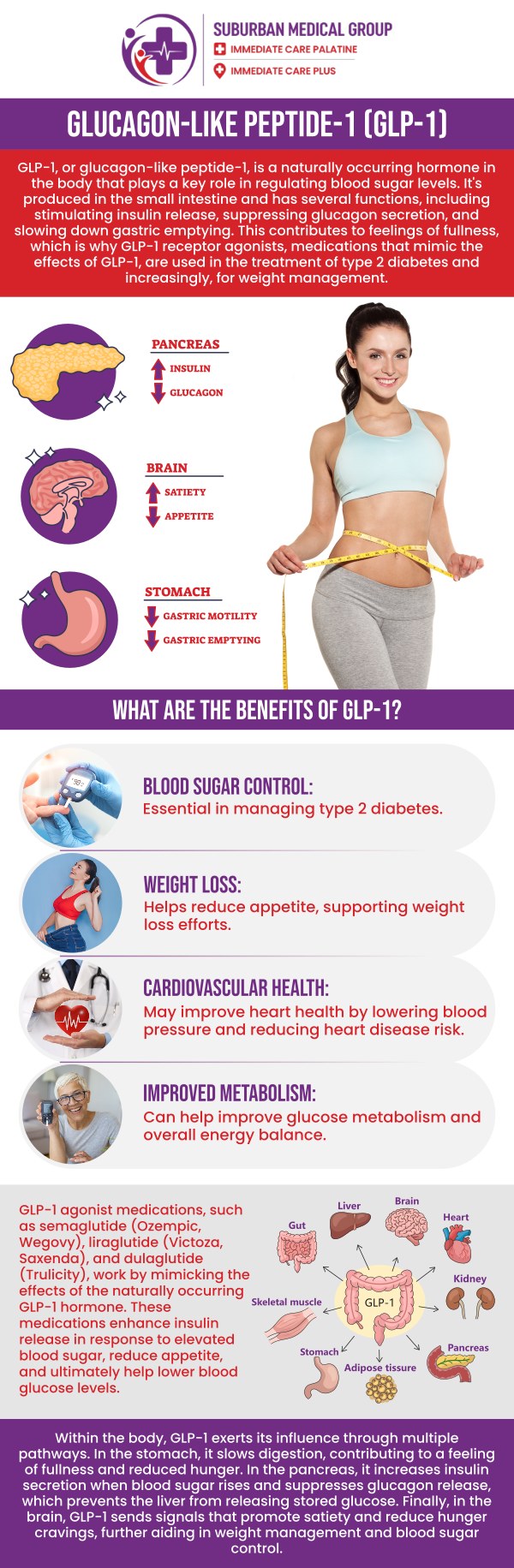
Table of Contents:
What is a Medicare GLP-1 bridge program and how does it work?
Who may qualify for a Medicare GLP-1 bridge program?
How can a Medicare GLP-1 bridge program support weight management goals?
What should you know before starting a Medicare GLP-1 bridge program?
How can Suburban Medical Group help Bolingbrook, IL patients understand the Medicare GLP-1 bridge program?
To truly understand the value of this initiative, it is essential to first grasp the role of Glucagon-like peptide-1 (GLP-1) receptor agonists. These revolutionary medications, which include popular formulations like semaglutide and tirzepatide, have transformed metabolic health. They work by mimicking a natural hormone in the body that regulates blood sugar, slows down digestion, and signals fullness to the brain. However, accessing these medications can be a significant administrative hurdle, particularly for patients utilizing federal health insurance. Historically, Medicare has maintained strict legislative limitations on covering medications prescribed solely for weight loss.
This is exactly where a bridge initiative comes into play. A Medicare GLP-1 bridge program is a structured healthcare pathway designed to help patients access and afford these critical medications while navigating the complexities of insurance coverage gaps. Because traditional Medicare Part D plans may only cover these drugs under specific diagnoses—such as type 2 diabetes or documented cardiovascular disease—many patients find themselves in a coverage limbo. The program works by evaluating your medical history, submitting thorough prior authorizations, and identifying alternative access strategies if immediate coverage is denied.
The operational mechanism involves several integrated steps. Initially, patients undergo a comprehensive metabolic and physical evaluation. If a GLP-1 medication is deemed medically necessary, the administrative team steps in to negotiate with insurance providers, file appeals if necessary, or transition patients through temporary, cost-effective alternatives while permanent approval is secured. This might involve utilizing specialized pharmacy networks, patient assistance funds, or bridging the time with safe, medically supervised protocols. Ultimately, the program removes the logistical burden from the patient, allowing you to focus entirely on your health while the medical team handles the bureaucratic intricacies of medication access and continuity.
Determining eligibility for a specialized healthcare initiative requires a comprehensive look at a patient’s medical history, current health metrics, and insurance framework. Primarily, qualification hinges on specific clinical criteria set forth by both medical best practices and Medicare regulations. Individuals who may qualify are typically adults who have a Body Mass Index (BMI) of 30 or higher, classifying them as obese. Additionally, patients with a BMI of 27 or higher who also suffer from at least one weight-related comorbidity—such as hypertension (high blood pressure), hyperlipidemia (high cholesterol), or obstructive sleep apnea—are prime candidates.
A crucial factor in qualification under Medicare guidelines is the presence of underlying metabolic or cardiovascular conditions. Recent shifts in federal coverage mean that patients with a documented history of cardiovascular disease or those who have suffered from adverse cardiac events may now qualify for certain GLP-1 medications aimed at reducing the risk of future heart attacks or strokes. Furthermore, individuals officially diagnosed with type 2 diabetes have a much more straightforward path to qualification, as these medications were originally developed and approved for glycemic control.
Beyond clinical markers, qualification for the bridge program specifically applies to those who are currently enrolled in Medicare Part D or a Medicare Advantage plan but are facing high out-of-pocket costs, prior authorization denials, or the dreaded coverage gap commonly known as the “donut hole.” Patients who find their prescriptions delayed due to complex step-therapy requirements—where insurance mandates trying cheaper, older medications before approving newer GLP-1s—are also ideal candidates. The bridge program is designed for proactive individuals who are medically suited for GLP-1 therapy but are currently obstructed by the administrative red tape of federal insurance policies.
Achieving sustainable weight loss is rarely as simple as merely eating less and moving more; it requires a complex physiological intervention that addresses the body’s metabolic resistance. A bridge program provides unparalleled support for these goals by ensuring that patients have continuous, uninterrupted access to GLP-1 therapies. Continuity is the cornerstone of success with these medications. If a patient is forced to abruptly stop their weekly injections due to an insurance denial or sudden cost increase, they often experience rapid weight regain, a return of intense cravings, and fluctuating blood sugar levels. The bridge program eliminates this risk by ensuring a steady supply of medication regardless of bureaucratic delays.
Moreover, these programs support weight management by combining pharmacological intervention with holistic lifestyle modifications. GLP-1 medications are highly effective at delaying gastric emptying—meaning food stays in the stomach longer, keeping you fuller for extended periods—and communicating directly with the appetite centers in the brain. However, they are not standalone cures. Within a structured program, the medication acts as a powerful tool that quiets constant “food noise,” allowing patients to focus on building sustainable habits without battling persistent hunger.
The comprehensive nature of the program means patients also receive ongoing medical supervision. Regular check-ins allow healthcare providers to monitor progress, adjust dosages to minimize side effects, and track improvements in secondary health markers like blood pressure, cholesterol, and joint inflammation. By providing a combination of consistent medication access, nutritional education, and metabolic monitoring, the program empowers patients to break the cycle of yo-yo dieting. It fundamentally shifts the body’s set point, supporting significant and sustained weight loss that dramatically improves overall quality of life.
Embarking on a new medical treatment requires informed consent and a clear understanding of what the journey will entail. Before starting, patients must recognize that GLP-1 receptor agonists are potent medications that require careful medical supervision. One of the most important things to know is the potential for gastrointestinal side effects. As the body adjusts to the medication, particularly during the initial dose-escalation phase, patients commonly experience mild to moderate nausea, vomiting, diarrhea, or constipation. These symptoms are usually temporary and can be managed effectively with dietary adjustments and guidance from your healthcare team, but being mentally prepared for this adaptation period is crucial.
Additionally, patients should understand the financial and administrative realities of Medicare coverage. Even within a bridge program, there may be fluctuating out-of-pocket costs as you transition through different phases of your Part D coverage. While commercial insurance patients often rely on manufacturer discount cards, federal law explicitly prohibits Medicare beneficiaries from using these specific coupons. Therefore, your clinical team will need to explore alternative routes, such as institutional patient assistance programs or specific grant funding, to mitigate costs. Transparency regarding your budget and insurance details upfront will help your provider tailor the most sustainable path for you.
Finally, it is vital to approach this therapy with a long-term mindset. GLP-1 medications are designed for chronic weight management, functioning much like taking medication for high blood pressure. Discontinuing the drug usually results in a reversal of physiological benefits. Therefore, before starting, you should be fully committed to integrating lifelong dietary changes and regular physical activity into your routine. The medication will dramatically aid in controlling your appetite and metabolic responses, but your everyday lifestyle choices will ultimately dictate the preservation of your newly achieved health and vitality.
At Suburban Medical Group, we provide compassionate, personalized care to help patients successfully navigate the complexities of modern weight management. Dr. Uzair Syed conducts comprehensive medical evaluations to determine if these advanced therapies align perfectly with your metabolic needs and federal insurance framework. We focus intensely on individualized treatment protocols, combining cutting-edge pharmacological therapies with sensible nutritional guidance. By simplifying confusing paperwork, managing prior authorizations, and aggressively exploring all available medication access pathways, our dedicated team ensures that you receive uninterrupted, high-quality care tailored specifically to your unique health profile and long-term wellness aspirations.
Taking the first step toward reclaiming your metabolic health doesn’t have to be a solitary or frustrating process. With the right medical guidance and a structured plan to handle administrative obstacles, achieving your desired outcomes is entirely within reach. Prioritize your long-term vitality by seeking a team that understands both the complex science of weight loss and the intricacies of insurance coverage. Don’t let bureaucratic hurdles stand in the way of a healthier, more vibrant you. Visit Suburban Medical Group for comprehensive support, guidance, and a tailored approach to your weight management journey today. For more information, contact us or book an appointment online. We are conveniently located at 693 W Boughton Rd, Bolingbrook, IL 60440. We serve patients from Bolingbrook IL, Romeoville IL, Naperville IL, and Woodridge IL, and surrounding cities.
Check Out Our 5 Star Reviews


Additional Services You May Need
▸ Abdominal Pain
▸ ACID Reflux (Gerd)
▸ Acute Illness Treatment
▸ Allergic Reactions
▸ Allergies
▸ Asthma Flare-Ups
▸ Back Pain
▸ Lab Testing
▸ Blood Tests
▸ Bronchitis Treatment
▸ Burns
▸ Colds
▸ Contusions
▸ COPD
▸ Cuts and Lacerations
▸ Dehydration
▸ Diabetes Care and Monitoring
▸ Diarrhea
▸ Personalized Nutrition and Diet Planning
▸ Topiramate
▸ Physical Exams for Adults
▸ Pediatric Immunizations and Vaccinations
▸ Daycare Physicals
▸ Sports Physical Exam
▸ School Physical Exam
▸ Cholesterol Testing
▸ Shingles Vaccine
▸ HIV Screening
▸ Pertussis Vaccine
▸ Irritable Bowel Syndrome (IBS) Treatment
▸ Ear Infections
▸ Ear Wax Removal
▸ EKGs
▸ Eye Infections
▸ Fever
▸ Flu
▸ Foreign Body Removal (eye, ear, skin)
▸ Fractures
▸ Headaches
▸ Migraines
▸ High Blood Pressure Management
▸ Immunizations
▸ Insect Bites
▸ IV Fluids and Antibiotics
▸ Kidney Infections
▸ Bladder Infections
▸ Mild Breathing Difficulties
▸ Minor Fractures
▸ Weekly or Monthly Follow-Ups
▸ Medical Weight Loss Evaluation
▸ Weight Loss Medications
▸ Developmental and Health Screenings for Children
▸ Common Childhood Illness
▸ Pediatric Growth and Development Screenings
▸ Cancer Screenings
▸ Blood Pressure Testing
▸ Injury and Accident Care
▸ Primary Care
▸ Vitamin B12 Injections
▸ Foundayo
▸ Minor Skin Infections
▸ Musculoskeletal Conditions
▸ Nausea
▸ On-Site X-Rays and Imaging
▸ Post-Hospital Follow-Ups
▸ Pregnancy Testing
▸ Preventive Healthcare Maintenance and Screenings
▸ Psychological Health Clinic
▸ Behavioral Health Clinic
▸ Rashes
▸ Sinus Infections
▸ Skin-Related Concerns
▸ Sore Throats
▸ Hepatitis B Vaccine
▸ Flu Vaccine
▸ Tetanus Vaccine
▸ TDAP Vaccine
▸ Preventive and Workplace Health Support
▸ Occupational Health
▸ Appetite Suppressants
▸ GLP-1
▸ Physical Exams for Children and Teens
▸ Pediatric Chronic Condition Management
▸ Pediatric Well-Child Visits
▸ Diabetes Screening
▸ Health Counseling and Continuing Care
▸ Pneumonia Treatment
▸ Wegovy HD
▸ Splints and Temporary Casting
▸ Sprains
▸ STDs
▸ Strains
▸ Strep Testing
▸ Strep Throat
▸ Suturing
▸ Thyroid Disorders
▸ Upper Respiratory Infections
▸ Urinalysis
▸ Vaginal Infections
▸ Vomiting
▸ Wellness Checkups
▸ Annual Physical Exams
▸ Telemedicine Appointments
▸ Body Composition Assessment
▸ Phentermine
▸ Physical Exams for Seniors
▸ Nutrition and Lifestyle Counseling for Children and Teens
▸ Thyroid Function Tests
▸ Immediate Care
▸ Urgent Care
▸ Medicare GLP-1 Bridge Program

Additional Services You May Need
▸ Abdominal Pain
▸ ACID Reflux (Gerd)
▸ Acute Illness Treatment
▸ Allergic Reactions
▸ Allergies
▸ Asthma Flare-Ups
▸ Back Pain
▸ Lab Testing
▸ Blood Tests
▸ Bronchitis Treatment
▸ Burns
▸ Colds
▸ Contusions
▸ COPD
▸ Vitamin B12 Injections
▸ Cuts and Lacerations
▸ Dehydration
▸ Diabetes Care and Monitoring
▸ Diarrhea
▸ Personalized Nutrition and Diet Planning
▸ Topiramate
▸ Physical Exams for Adults
▸ Pediatric Immunizations and Vaccinations
▸ Daycare Physicals
▸ Sports Physical Exam
▸ School Physical Exam
▸ Cholesterol Testing
▸ Shingles Vaccine
▸ HIV Screening
▸ Pertussis Vaccine
▸ Irritable Bowel Syndrome (IBS) Treatment
▸ Ear Infections
▸ Ear Wax Removal
▸ EKGs
▸ Eye Infections
▸ Fever
▸ Flu
▸ Foreign Body Removal (eye, ear, skin)
▸ Fractures
▸ Headaches
▸ Migraines
▸ High Blood Pressure Management
▸ Immunizations
▸ Insect Bites
▸ IV Fluids and Antibiotics
▸ Kidney Infections
▸ Bladder Infections
▸ Mild Breathing Difficulties
▸ Minor Fractures
▸ Weekly or Monthly Follow-Ups
▸ Medical Weight Loss Evaluation
▸ Weight Loss Medications
▸ Developmental and Health Screenings for Children
▸ Common Childhood Illness
▸ Pediatric Growth and Development Screenings
▸ Cancer Screenings
▸ Blood Pressure Testing
▸ Injury and Accident Care
▸ Primary Care
▸ Minor Skin Infections
▸ Musculoskeletal Conditions
▸ Nausea
▸ On-Site X-Rays and Imaging
▸ Post-Hospital Follow-Ups
▸ Pregnancy Testing
▸ Preventive Healthcare Maintenance and Screenings
▸ Psychological Health Clinic
▸ Behavioral Health Clinic
▸ Rashes
▸ Sinus Infections
▸ Skin-Related Concerns
▸ Sore Throats
▸ Hepatitis B Vaccine
▸ Flu Vaccine
▸ Tetanus Vaccine
▸ TDAP Vaccine
▸ Preventive and Workplace Health Support
▸ Occupational Health
▸ Appetite Suppressants
▸ GLP-1
▸ Physical Exams for Children and Teens
▸ Pediatric Chronic Condition Management
▸ Pediatric Well-Child Visits
▸ Diabetes Screening
▸ Health Counseling and Continuing Care
▸ Pneumonia Treatment
▸ Splints and Temporary Casting
▸ Sprains
▸ STDs
▸ Strains
▸ Strep Testing
▸ Strep Throat
▸ Suturing
▸ Thyroid Disorders
▸ Upper Respiratory Infections
▸ Urinalysis
▸ Vaginal Infections
▸ Vomiting
▸ Wellness Checkups
▸ Annual Physical Exams
▸ Telemedicine Appointments
▸ Body Composition Assessment
▸ Phentermine
▸ Physical Exams for Seniors
▸ Nutrition and Lifestyle Counseling for Children and Teens
▸ Thyroid Function Tests
▸ Immediate Care
▸ Urgent Care
▸ Foundayo
▸ Wegovy HD
▸ Medicare GLP-1 Bridge Program


 Send Text
 How May I Help You?